
7 Causes of Box Build Delays and Failures
Electronic box build projects can become difficult very quickly. A delayed component, an unclear build instruction or a problem discovered late in testing can hold up the whole assembly.
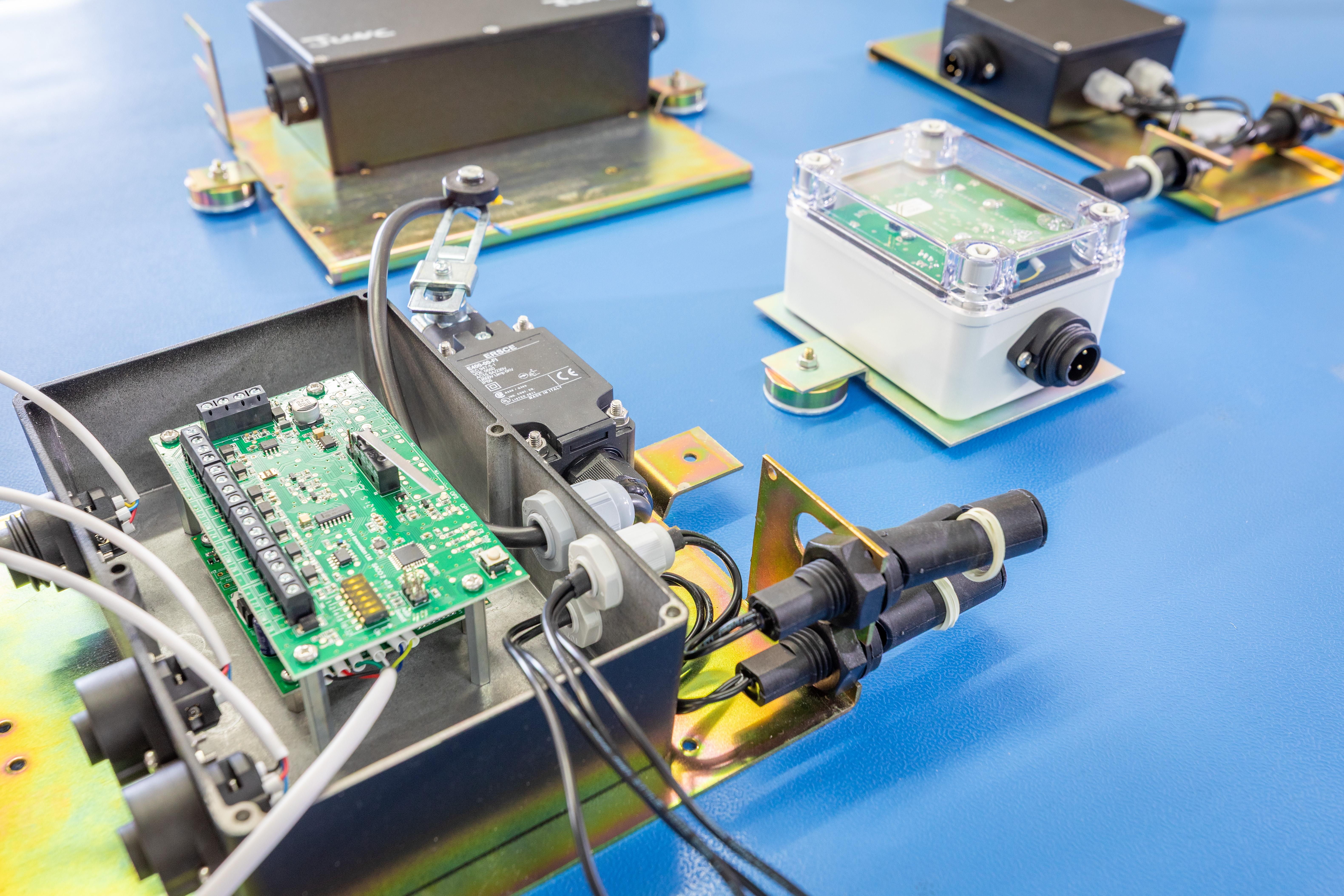
Electronic box build projects can become difficult very quickly. A delayed component, an unclear build instruction or a problem discovered late in testing can hold up the whole assembly.
The good news is that many of these risks can be reduced before they affect production.
With more than 30 years’ experience in contract manufacturing, Connect-2 Technology helps UK and European customers simplify complex box build projects by bringing engineering support, cable assemblies, wiring, PCB integration and electromechanical assembly together under one manufacturing partner.
Here are seven common causes of box build delays, and the practical steps that can help keep projects moving.
1. Build information is difficult to translate into production
The challenge is not always that documentation is “incomplete”. For many engineering teams, the information needed to manufacture an established product may exist across drawings, previous builds, legacy files and internal knowledge.
That can become a problem when production is transferred, scaled up or outsourced. Questions that were easily resolved internally can turn into delays once a new manufacturing team becomes involved.
The solution: work with a manufacturing partner that can help turn the available design information into a clear, repeatable production process.
Connect-2 Technology’s in-house engineering team can support customers with wiring diagrams, mechanical drawings and production-ready build information. For legacy assemblies, this can also include helping to document an existing build so that future production is easier to manage.
The aim is not to push documentation work back onto the customer. It is to resolve uncertainty early and establish a robust manufacturing baseline.
2. Too many suppliers are involved in the build
A box build can bring together PCBs, cable assemblies, wiring harnesses, connectors, mechanical parts and enclosure assembly. When these are sourced from several different suppliers, every handover creates another opportunity for delays or miscommunication.
If one element changes or arrives late, the customer can also find themselves coordinating the response between several businesses.
The solution: reduce the number of manufacturing handoffs where possible.
Connect-2 Technology provides cable assemblies, wiring harnesses and electromechanical box build services, while PCB assembly can be integrated through sister company Cleveland Circuits.
This single-source approach gives customers one technical point of contact and helps simplify purchasing, scheduling and issue resolution.
3. Component availability changes unexpectedly
Even a well-planned box build can be affected by component shortages, extended lead times or parts becoming obsolete.
Because a complete assembly may depend on hundreds of individual items, one unavailable connector, relay or specialist component can delay the finished product.
The solution: consider component availability as early as possible in the manufacturing process.
An experienced contract manufacturing partner can help identify potential supply risks, investigate suitable alternatives where appropriate and plan purchasing around long-lead-time items.
Bringing procurement and manufacturing together can also make it easier to understand the impact of a component issue across the complete assembly rather than treating each part in isolation.
4. Manufacturing capability does not match the complexity of the product
Not every contract manufacturer is set up for complex electromechanical assembly.
A supplier that is well suited to straightforward enclosure work may not necessarily have the engineering capability, trained workforce or processes required for assemblies involving multiple PCBs, detailed wiring and bespoke testing.
Problems often emerge only after production begins, resulting in additional engineering queries, rework or extended lead times.
The solution: choose a manufacturing partner based on the requirements of the complete assembly, not simply the lowest quoted unit price.
For more complex box builds, useful capabilities can include:
- in-house engineering support;
- cable and wiring harness manufacture;
- PCB integration;
- experienced electromechanical assembly technicians;
- defined quality processes; and
- product-specific testing.
Connect-2 Technology supports customers across sectors including power distribution, medical, water treatment, security and renewable energy, with ISO 9001:2015 quality management and an IPC A-620 trained workforce.
5. Problems are discovered too late in the build
A fault that is identified immediately may be relatively straightforward to correct. The same fault discovered after the enclosure has been fully assembled can mean significant strip-down and rework.
This is why relying solely on a final inspection can create unnecessary cost and delay.
The solution: build quality checks into the manufacturing process rather than treating quality as a final-stage activity.
Inspection during assembly can help identify workmanship or component issues before they progress further through production.
Connect-2 Technology combines controlled manufacturing processes with appropriate inspection and testing, helping customers identify potential issues earlier and support consistent repeat production.
6. Engineering changes are difficult to manage through production
Products evolve. Components change, designs are updated and improvements are introduced.
The difficulty comes when a change affects several parts of a box build at once. A revised PCB, for example, could also affect wiring, connectors, mechanical fit or test procedures.
Where several suppliers are involved, communicating and coordinating those changes can become particularly complicated.
The solution: create a clear technical route between engineering and production.
Using one manufacturing partner for more of the assembly can make engineering changes easier to assess because the impact can be considered across the complete build.
Clear revision control and direct communication between customer engineering teams and the manufacturer also help ensure that the correct configuration reaches production.
7. Testing is treated as the final hurdle rather than part of the build
Discovering that an assembly does not function correctly immediately before shipment can put both lead times and delivery commitments under pressure.
Different box builds also require different levels of verification. A simple continuity check may be appropriate for one product, while another may need insulation resistance, functional testing or a bespoke test procedure.
The solution: define testing requirements as part of the manufacturing process.
Connect-2 Technology can develop testing around customer requirements, including continuity, insulation resistance and functional checks where appropriate.
By considering testing earlier, manufacturers can make sure the build process supports the required verification instead of trying to accommodate it at the end.
How single-source box build manufacturing can reduce project risk
Many of the issues above have one thing in common: complexity.
The more suppliers, handoffs and disconnected processes involved in producing an assembly, the more coordination the customer has to manage.
A single-source box build partner can simplify that process by bringing more of the work together.
For Connect-2 Technology customers, that can include cable assemblies, wiring harnesses, PCB integration and final electromechanical assembly. Instead of managing several separate suppliers, engineering and purchasing teams have one route for technical queries and production updates.
It can also make problems easier to solve. If a wiring change affects a PCB connection or enclosure layout, the teams involved in those processes can work together rather than the customer having to coordinate the response between different suppliers.
A manufacturing partner should help remove obstacles, not create more work
Box build projects rarely fail because of one dramatic mistake. Delays are more often caused by a series of smaller issues: an unavailable component, a manufacturing question that takes too long to resolve, a design change that affects several suppliers, or a problem discovered late in testing.
The right manufacturing approach is therefore about removing as much complexity as possible before it reaches the production line.
Connect-2 Technology combines more than 30 years of contract manufacturing experience with in-house engineering support, cable and wiring capability, PCB integration and electromechanical assembly.
If you are looking to simplify an existing box build, transfer production or introduce a new assembly, contact Connect-2 Technology to discuss your requirements.
Frequently asked questions
What commonly causes electronic box build delays?
Box build delays can be caused by component availability, manufacturing queries, supplier coordination, engineering changes and issues discovered during testing. Identifying these risks early and working with a manufacturer capable of supporting the complete assembly can help minimise their impact.
Can Connect-2 Technology help with legacy box build assemblies?
Yes. Where an established assembly has limited or outdated production information, Connect-2 Technology’s engineering team can work with the available drawings, samples and technical information to help establish production-ready build documentation.
Why use a single-source supplier for box build assembly?
Bringing cable assemblies, wiring, PCB integration and electromechanical assembly together can reduce supplier handoffs, simplify communication and give customers a clearer point of responsibility for the finished assembly.
What testing can be included in a box build project?
Testing depends on the product and customer specification. This can include checks such as continuity, insulation resistance and functional testing, with bespoke test processes developed where required.
What should I look for in a box build manufacturing partner?
Look for relevant technical capability, experienced engineering support, appropriate quality systems, strong communication and the ability to manage the level of assembly complexity your product requires.