In-Process Inspection

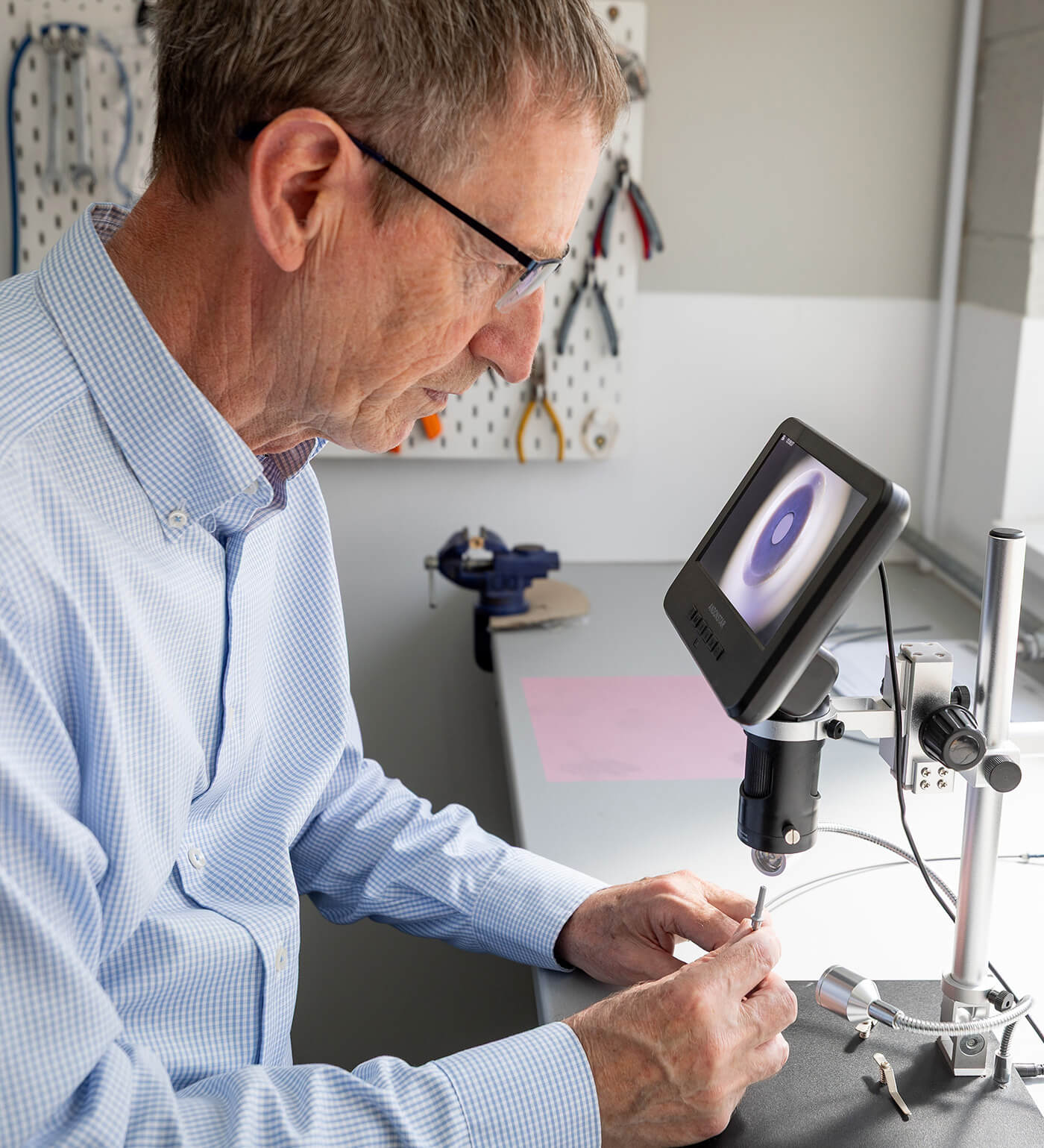
Quality control begins during manufacture. Our production teams carry out checks at appropriate stages of assembly, helping to identify issues before the product reaches final inspection.

Depending on the assembly, this can include checking:

    • Components against drawings and bills of materials
    • Wire and cable specifications
    • Terminations and crimp quality
    • Connector orientation and positioning
    • Wire routing and harness layout
    • Identification and labelling
    • Workmanship against agreed requirements
    • Assembly dimensions and configuration

In-process inspection is particularly important for complex cable assemblies, wiring harnesses, control panels and electronic box builds, where the finished product may contain numerous individual connections and components.

Cable assembly inspection and functional testing
Testing & Inspection-1

Electrical and Functional Testing

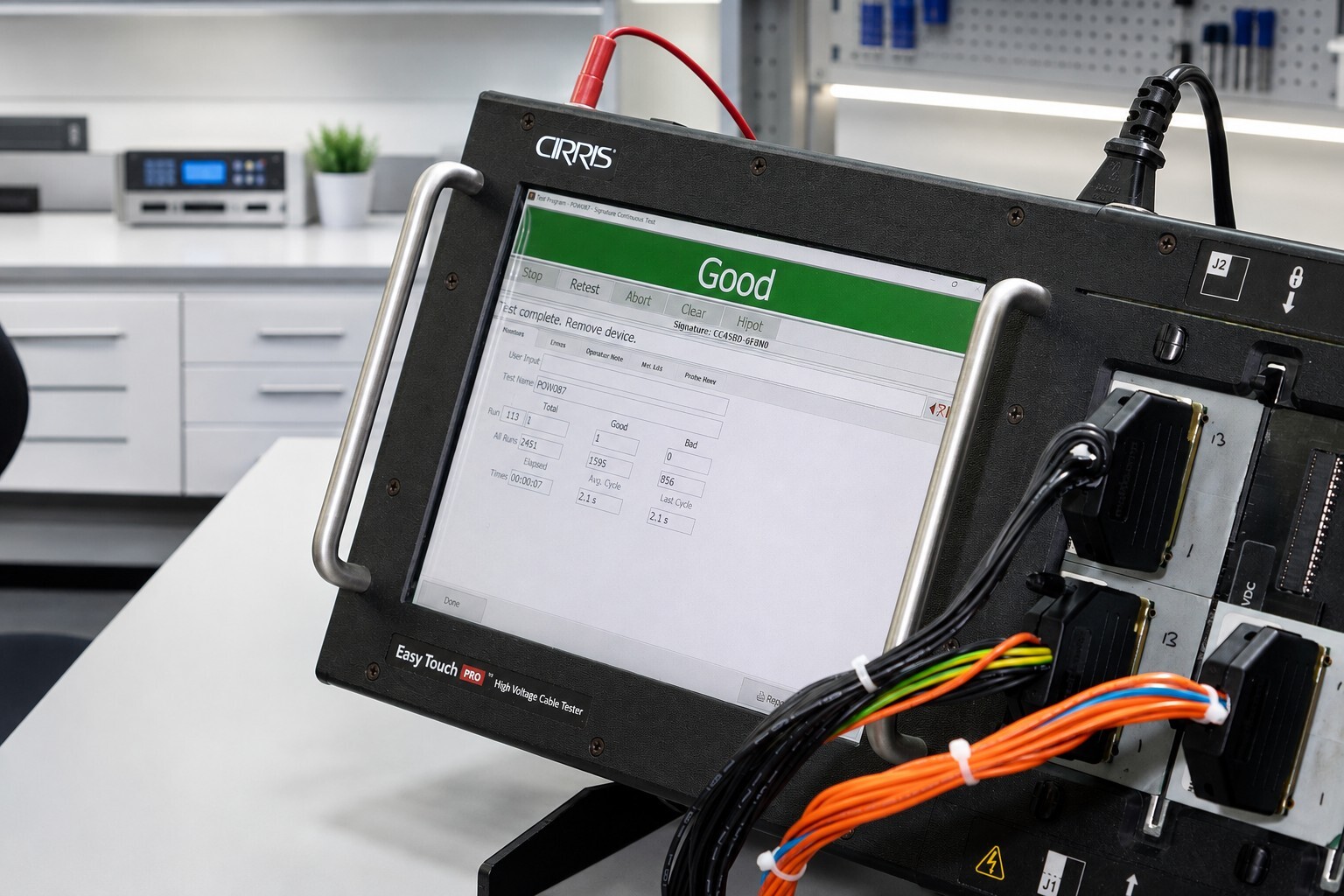
Electrical testing can be carried out according to the requirements of the individual project.

Depending on the assembly and customer specification, this may include:

  • Continuity testing
  • Insulation resistance testing
  • Electrical checks against defined connection requirements
  • Functional testing
  • Customer-specific test procedures

Not every product requires the same type or level of testing, so test methods and acceptance criteria are agreed according to the assembly and its intended requirements.

Where a project requires a specific test process, our engineering and production teams can work with the customer to establish a suitable procedure.
Bespoke Testing for Customer-Specific Requirements

Some assemblies require more than a standard continuity or functional check.

Where required, Connect-2 Technology can develop project-specific test processes around customer specifications, drawings and acceptance criteria.

This may involve dedicated test equipment, fixtures or documented procedures designed around the individual assembly.

Defining the test requirement at the start of a project helps ensure that both the manufacturing and quality teams understand what needs to be checked before production begins.

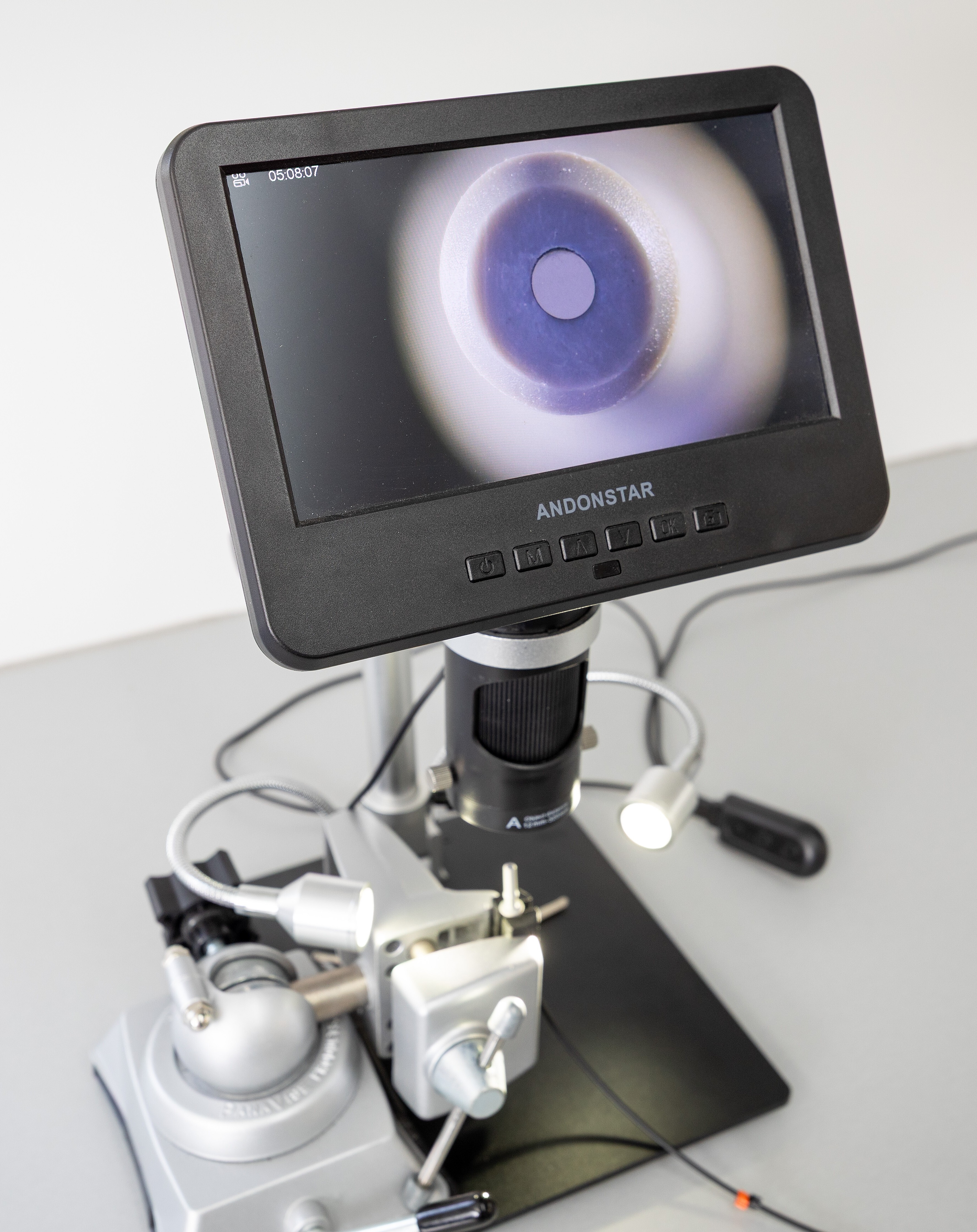
Fiber optic cable testing and inspection

Inspection and Testing Across Our Manufacturing Capabilities

Inspection and testing requirements can be incorporated into a range of products manufactured by Connect-2 Technology, including:

    • Cable assemblies
    • Wiring harnesses and wiring looms
    • Control panels
    • Electronic box builds
    • Electro-mechanical assemblies
    • Cut and prepared wires
    • Sub-assemblies

The appropriate checks depend on the complexity of the assembly, the customer specification and the requirements agreed for the project.

Supporting Consistent Repeat Production

For repeat manufacturing, documented assembly and test requirements help provide a consistent basis for production.

Drawings, build instructions, test procedures and acceptance criteria can be used together to define how an assembly should be manufactured and checked.

Where products are manufactured over an extended period, clearly controlled documentation also helps ensure that agreed engineering changes are reflected in future builds.

Got Questions? We've Got Answers!

What types of testing does Connect-2 Technology offer?

Testing depends on the product and customer requirements.

Capabilities can include continuity testing, electrical checks and agreed functional testing. Customer-specific test procedures can also be developed where required.

The appropriate test method is agreed according to the individual assembly and project specification. 

Is every cable assembly electrically tested?

Testing requirements depend on the product and the agreed manufacturing specification.

Where electrical testing is required, the appropriate test method and acceptance criteria are defined for the project.

For more complex assemblies, testing may include several stages or a combination of electrical and functional checks.

What is continuity testing?

Continuity testing checks whether an electrical connection exists between specified points in an assembly.

For cable assemblies and wiring harnesses, it can be used to confirm that wires and connections follow the intended circuit or wiring configuration.

It does not replace every other type of inspection or testing, which is why the overall test process should be defined according to the requirements of the assembly.

Can you develop a bespoke test process for my product?

Yes. Where a standard test process is not suitable, Connect-2 Technology can work with customers to develop a project-specific testing approach.

This can include documented procedures, dedicated test arrangements or agreed functional checks based on the requirements of the assembly.

Why Define Testing Requirements Before Production?

Testing is most effective when the requirements are established before manufacture begins.

By agreeing the test method, acceptance criteria and any customer-specific requirements at quotation or project stage, the necessary checks can be incorporated into the production process from the outset.

This can be particularly important for complex wiring harnesses, control panels and electronic assemblies where electrical connections, component positioning and functional requirements all need to be considered.

At what stage are products inspected?

Inspection can take place throughout the manufacturing process.

This may include incoming component checks, in-process inspection during assembly and final inspection before release.

The exact inspection stages depend on the product, manufacturing process and customer requirements.

Do you inspect wiring harnesses and control panels?

Yes. Inspection and testing can form part of the manufacture of wiring harnesses, cable assemblies, control panels and electronic box builds.

Checks may include workmanship, routing, identification, terminations, component positioning and agreed electrical or functional tests.

Can testing requirements be based on our own specification?

Yes. Customer drawings, specifications and acceptance criteria can be incorporated into the manufacturing and testing process.

Where specific test methods or documentation are required, these should be agreed before production begins.